
Before Buying a Boat in Cabo or La Paz
Before Buying a Boat in Cabo or La Paz: What Every Owner Should Know About Boating in Baja California Sur
Buying a boat in Baja California Sur opens the door to one of the most exciting boating regions in the world. From the offshore fishing grounds surrounding Cabo San Lucas to the islands, beaches, and protected anchorages of the Sea of Cortez, owning the right vessel can completely change the way you experience the Baja Peninsula.
However, purchasing a boat in Cabo San Lucas or La Paz requires more than choosing an attractive model with powerful engines. Local sea conditions, intended use, storage, range, maintenance, documentation, and onboard equipment should all influence your decision.
Before purchasing a boat in Baja California Sur, here are the most important factors to consider.
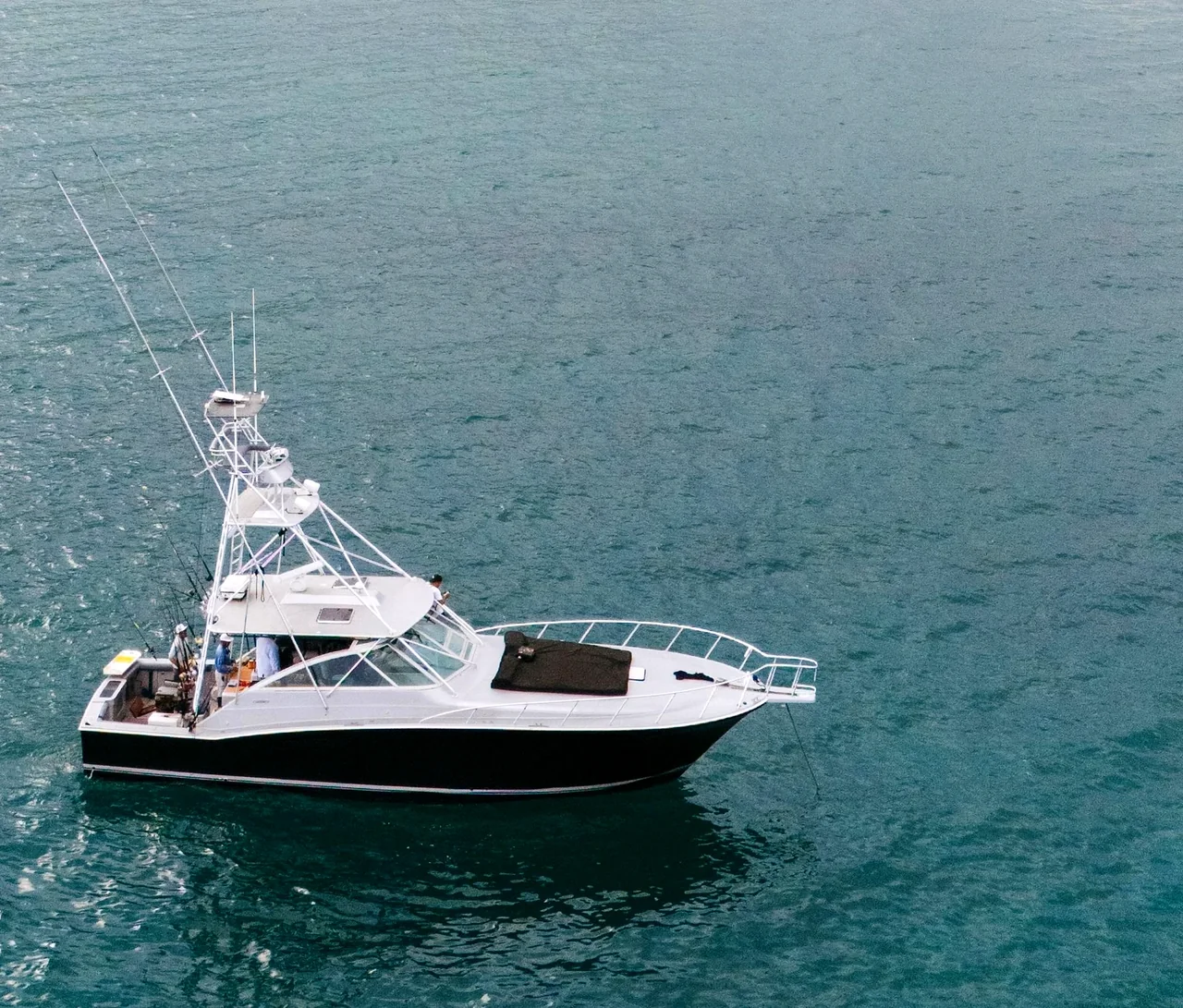
1. Decide Where You Will Use the Boat
Cabo San Lucas and La Paz offer very different boating environments.
Cabo San Lucas sits at the meeting point of the Pacific Ocean and the Sea of Cortez. Boat owners can encounter offshore swells, changing winds, strong currents, and long runs to productive fishing grounds. A boat intended for Cabo should have dependable engines, sufficient fuel capacity, reliable navigation equipment, and a hull capable of handling offshore conditions.
La Paz provides access to the central Sea of Cortez, including islands, coves, beaches, and relatively protected cruising areas. Conditions can still change quickly, but many La Paz boat owners prioritize cruising comfort, shade, fuel efficiency, snorkeling access, and overnight capability.
Owners who plan to use their vessel in both regions should look for a versatile boat that can handle offshore fishing while remaining comfortable for family cruising.
2. Choose a Boat Based on Its Primary Purpose
Before comparing brands or models, consider how you expect to use your boat most often.
Will it primarily be used for:
- Offshore sportfishing?
- Inshore fishing?
- Island exploration?
- Family cruising?
- Diving and snorkeling?
- Overnight trips?
- Tournament fishing?
- Commercial charter operations?
A center console can be an excellent option for anglers who want deck space, easy movement around the boat, and access to both inshore and offshore fishing grounds. An express sportfishing boat may offer better protection, sleeping accommodations, larger fuel capacity, and greater comfort on extended trips.
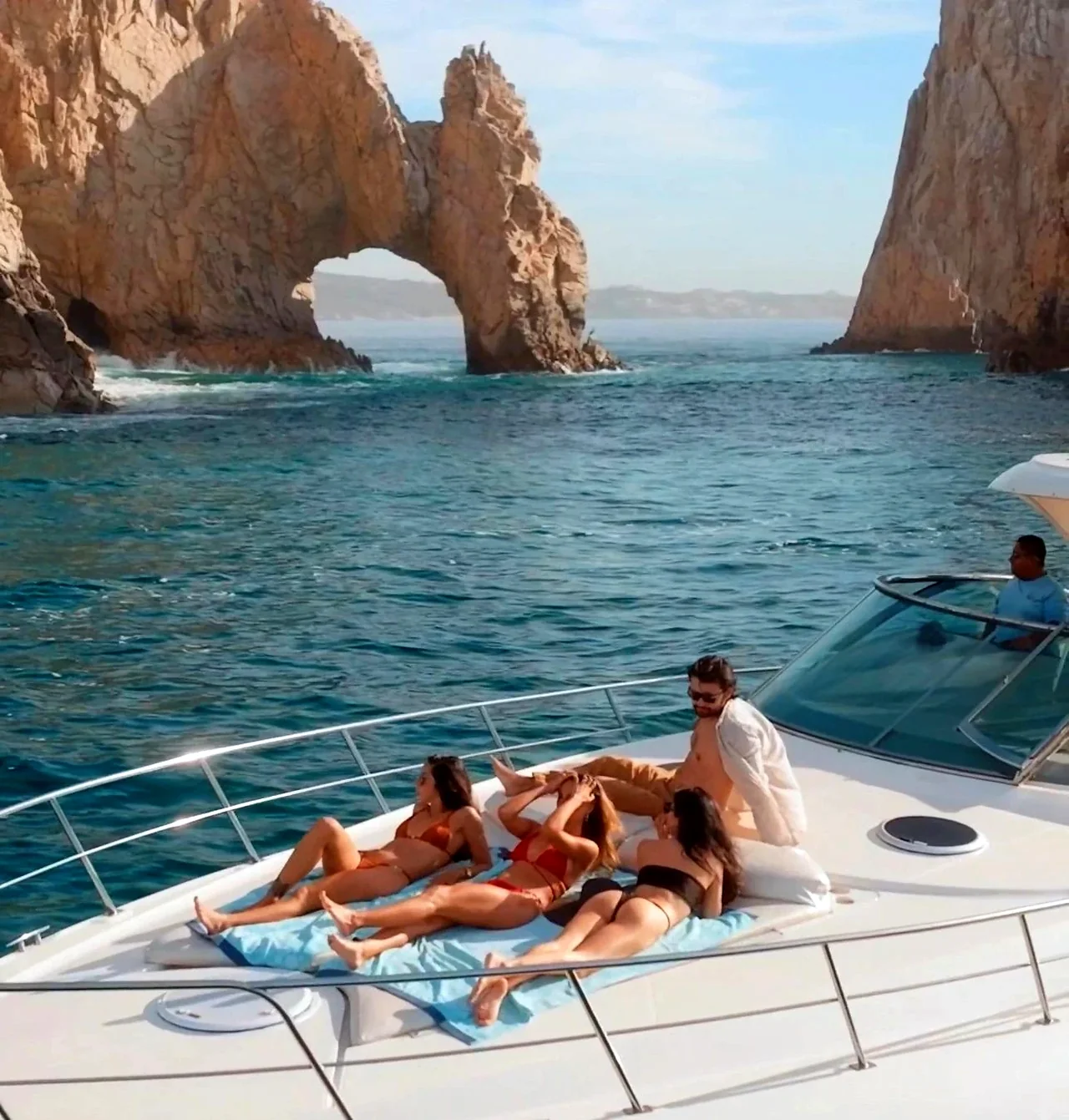
A cabin cruiser or motor yacht may be more appropriate for families interested in visiting remote beaches, spending nights aboard, or cruising between Cabo San Lucas, the East Cape, La Paz, and Loreto.
There is no single perfect boat for Baja. The best boat is the one designed and equipped for the experiences you intend to enjoy.
3. Understand the Difference Between Pacific and Sea of Cortez Conditions
One of the biggest mistakes buyers make is assuming that boating conditions are the same throughout Baja California Sur.
The Pacific side can produce larger swells and cooler water, while portions of the Sea of Cortez may appear protected but can experience strong seasonal winds and steep, closely spaced waves. Conditions can also vary significantly between morning and afternoon.
Hull design, freeboard, weight distribution, engine reliability, and fuel range become especially important when navigating between ports or visiting remote areas.
Prospective owners should research the waters they plan to explore and speak with captains who have genuine experience operating in those areas. The Cabo Sportfishing Magazine guide to safe navigation throughout Baja California Sur provides additional local insight for recreational boaters, yacht owners, anglers, and cruising enthusiasts.
4. Evaluate Fuel Capacity and Cruising Range
A boat’s range matters throughout Baja California Sur because fuel may not be conveniently available in every destination.
A short fishing trip outside Cabo San Lucas requires a different fuel strategy than a multi-day journey through the Sea of Cortez. Owners interested in exploring remote fishing grounds, islands, or anchorages must understand their boat’s:
- Fuel capacity
- Average cruising speed
- Fuel consumption
- Safe operating range
- Generator consumption, when applicable
- Required emergency reserve
Never calculate range using ideal manufacturer figures alone. Actual fuel consumption can change based on sea conditions, passenger load, fishing equipment, water, provisions, hull condition, and cruising speed.
5. Inspect the Engines and Mechanical Systems
Marine engines are among the most expensive components of any boat. Before purchasing a pre-owned vessel, buyers should request maintenance records and arrange an inspection by a qualified marine mechanic.
Depending on the engine type, the inspection may include:
- Engine-hour verification
- Computer diagnostic reports
- Compression or leak-down testing
- Oil and coolant inspection
- Cooling-system evaluation
- Lower-unit inspection
- Generator testing
- Sea trial under operating load
Low engine hours do not automatically guarantee that an engine is in excellent condition. Boats that remain unused for extended periods can develop fuel, battery, corrosion, seal, and cooling-system problems.
Consistent professional maintenance is often more valuable than simply finding the boat with the lowest recorded hours.
6. Do Not Skip the Marine Survey and Sea Trial
A professional marine survey can help identify problems that may not be visible during a casual inspection.
The survey should examine the hull, deck, electrical systems, plumbing, steering, safety equipment, electronics, fuel system, batteries, through-hull fittings, and overall structural condition.
A sea trial is equally important. It allows the buyer to observe:
- Engine performance
- Steering response
- Acceleration
- Cruising speed
- Temperature and charging readings
- Unusual vibration
- Water intrusion
- Visibility from the helm
- Overall comfort in real conditions
A survey cannot eliminate every risk, but it gives the buyer a much clearer understanding of the vessel before completing the purchase.
7. Consider Electronics and Safety Equipment
Reliable marine electronics are especially important when boating in unfamiliar or remote waters.
Depending on the vessel and its intended use, a Baja-ready electronics package may include:
- Multifunction navigation displays
- GPS and updated charts
- Marine radar
- VHF radio with DSC
- AIS
- Depth sounder or CHIRP sonar
- Autopilot
- Satellite communication
- Emergency position-indicating equipment
- Properly maintained batteries and charging systems
Fishing boats may also benefit from specialized sonar, tuna tubes, outriggers, livewells, downriggers, additional rod storage, and high-capacity bait systems.
Electronics should be selected based on how the boat will actually be used—not simply on what looks impressive at the helm.
8. Calculate the Total Cost of Boat Ownership
The purchase price is only one part of the investment. Buyers should also prepare for ongoing expenses such as:
- Marina or dry-storage fees
- Insurance
- Routine maintenance
- Bottom paint
- Engine and generator service
- Fuel
- Cleaning and detailing
- Fishing equipment
- Electronics upgrades
- Documentation and registration
- Crew or boat-management services
A larger vessel may provide more comfort and capability, but it will generally require a larger operating and maintenance budget.
Calculating these expenses in advance helps buyers select a boat they can enjoy and maintain properly over the long term.
9. Review Documentation Before Completing the Purchase
Boat documentation should be reviewed carefully, particularly when a vessel has been imported, registered in another country, or previously operated commercially.
Depending on the circumstances, buyers may need to verify:
- Proof of ownership
- Hull identification information
- Engine serial numbers
- Registration
- Importation status
- Existing liens
- Marina agreements
- Insurance requirements
- Commercial or private-use documentation
- Trailer documentation, when included
The requirements can vary according to the boat’s origin, location, flag, and intended operation. Buyers should work with qualified local professionals rather than assuming that documentation from another jurisdiction will automatically be sufficient in Mexico.
10. Work With Someone Who Understands Local Boating
Online listings can help buyers compare prices, but they do not always reveal whether a boat is appropriate for the waters of Cabo San Lucas, La Paz, or the wider Sea of Cortez.
Local guidance can help a buyer evaluate the vessel’s condition, operating costs, marina options, fishing capabilities, documentation, and suitability for Baja.
Boats for Sale in Cabo & La Paz connects buyers with vessels located throughout Baja California Sur while helping them better understand the realities of local boat ownership. Whether you are searching for a trailerable center console, an offshore sportfishing boat, or a yacht for extended cruising, the objective should always be to find the right vessel—not simply the first available vessel.
Final Thoughts
Owning a boat in Baja California Sur offers access to world-class fishing, remote islands, extraordinary marine life, and some of Mexico’s most beautiful cruising destinations.
The right purchase begins with an honest evaluation of how the vessel will be used. Buyers who consider local conditions, fuel range, mechanical history, documentation, maintenance costs, and professional inspections are better prepared to enjoy their investment safely and confidently.
For continuing coverage of sportfishing, boat ownership, marine electronics, local captains, navigation, and life on the water throughout Baja California Sur, visit Cabo Sportfishing Magazine.
Ready to begin your search? Explore our current boats for sale in Cabo San Lucas and La Paz or contact our team for help identifying a vessel that matches your boating plans.
Keep reading
2001 Riviera 43 Team Riviera Edition for Sale at Puerto Los Cabos, San José del Cabo — Offshore Fishing Machine
2001 Riviera 43 Team Riviera Edition for sale at Puerto Los Cabos marina, San José del Cabo, at $294,999 USD. Twin Cummins QSM-11 diesels (4,500 hrs), Furuno TZT3 and DFF3D, tuna tubes, bait tank, fighting chair — ready to fish.
2023 Boston Whaler 330 Outrage for Sale in La Paz, BCS
2023 Boston Whaler 330 Outrage for Sale in La Paz, BCS | Only 150 Hours on Twin Mercury 300 HP
2020 Galeon 425 HTC – Cabo San Lucas, Mexico
Looking for a luxury yacht for sale in Cabo San Lucas? This beautiful 2020 Galeon 42.5ft yacht offers the perfect combination of European styling, offshore performance, comfort, and reliability for cruising the Sea of Co...